
Morality is the concept that distinguishes between right and wrong. Whenever we make claims such as “Killing is wrong,” or “People should be kind to each other,” we base those claims on our idea of morality. It seems simple, but it gets complicated. Philosophers have debated morality for thousands of years and created many different schools of thought. Despite all the effort, there is still no theory of morality that can decisively claim to be the true theory, or the best theory. My goal is to make that theory.
The goal of this page is to provide answers to questions such as these:
- “What defines good and evil?”
- “What is the difference between right and wrong?”
- “Does objective morality really exist?”
To get an overview of the problem and the previous theories that have been put forward, read What Defines Good and Evil?

Now that you are familiar with the issues at hand, you’re prepared to be introduced to the principles that define my new theory. Read The Foundation of Morality to learn where objective morality comes from.

The discussion of the foundation of morality continues in A Pattern of Moral Refinement, where we see examples of how these principles work to create laws in many different levels of existence.
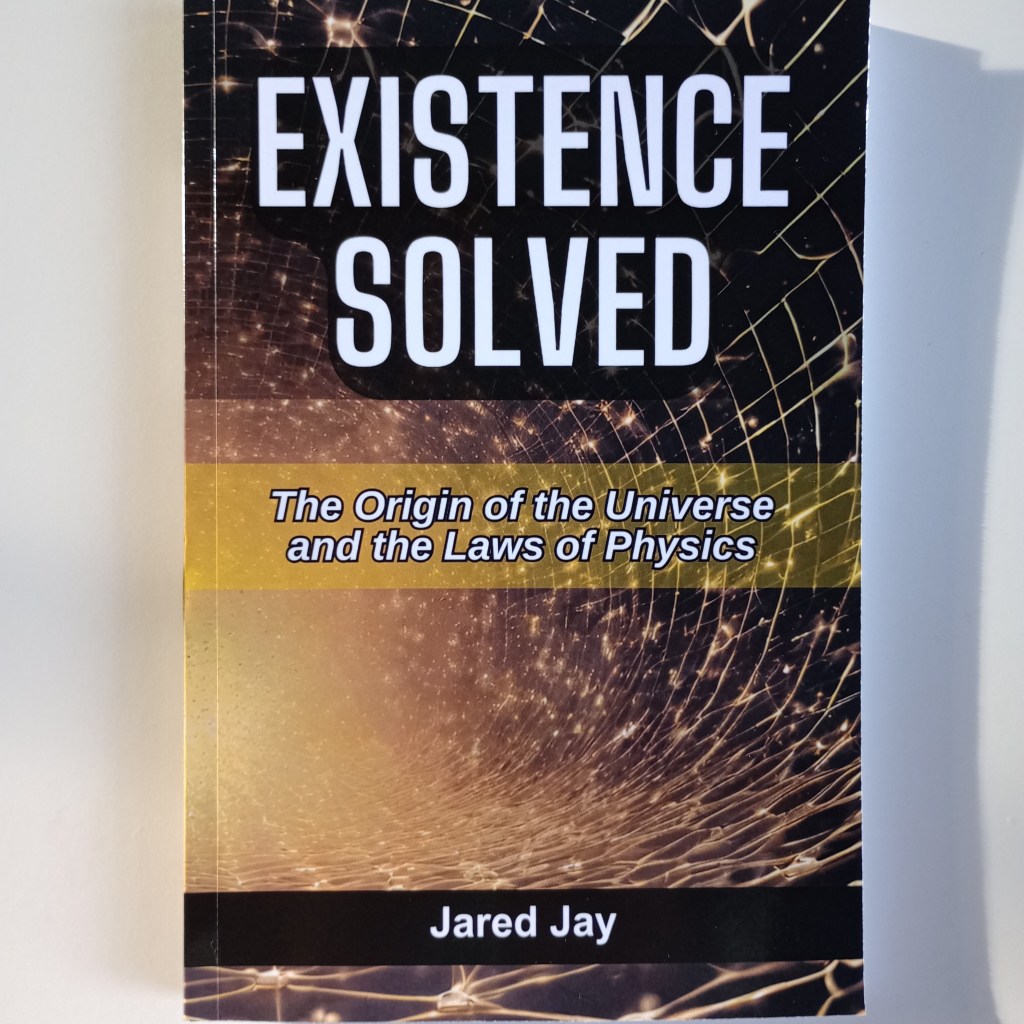
Now that you understand the basic ideas, it’s time to write down a rigorous, logical framework for this theory. In The Logic of Morality, we will make use of formal definitions and logic to prove that objective morality exists and is well defined.

 Truth Reconciled